

In the Pines: A Guide
 On this blog, we often play detective. In fact, that’s pretty much all we do, and this post is no different, but I’m going to start by turning the tables. What, if anything, do you make of these fragments?:
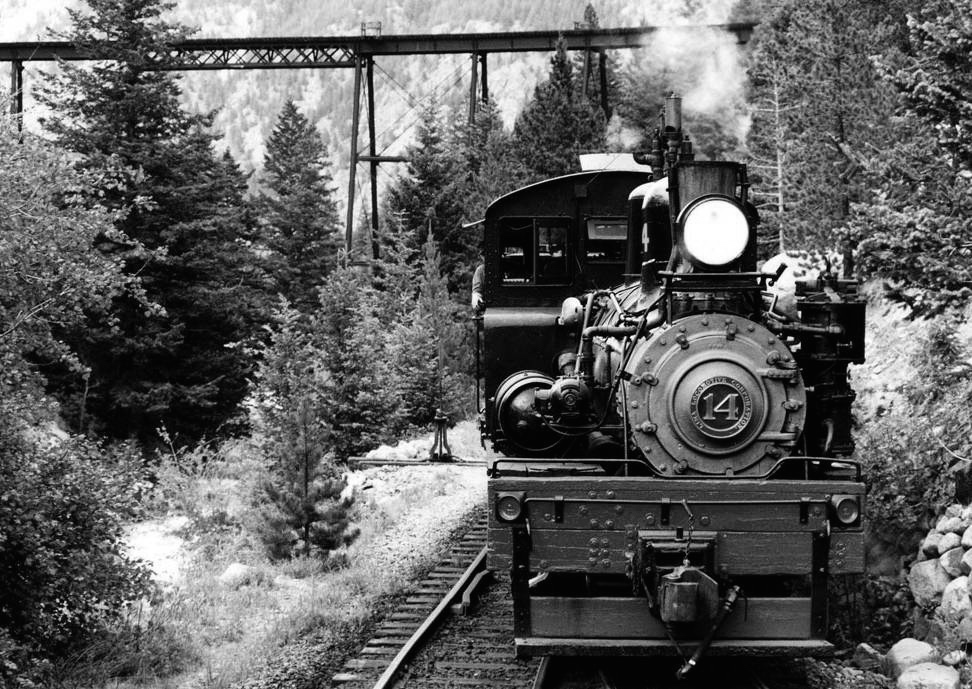
A woman being questioned. Pine trees. A long train. A decapitated head. A missing body.
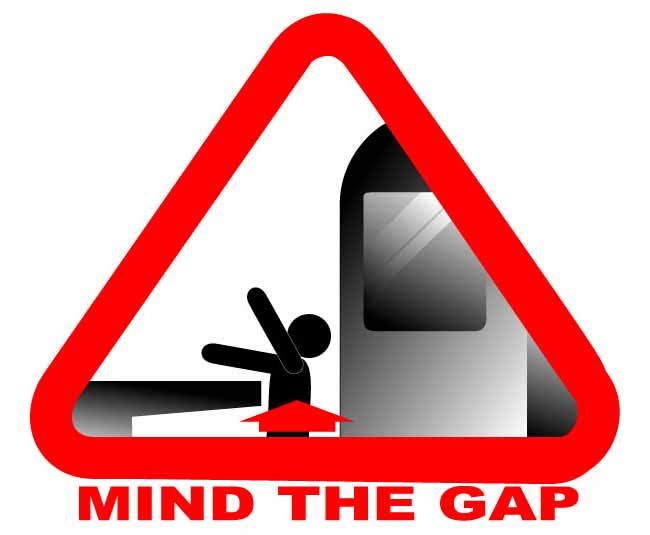
If you know from these clues that in this post we’ll listen to some great 20th century American musicians — including Lead Belly, Bill Monroe, Nathan Abshire, Roscoe Holcomb, Pete Seeger, the Kossoy Sisters, the Dead, Kurt Cobain, Odetta, and others — then you’ve just engaged in a mental process called “minding the gap”: making up images that resolve the gaps created by missing data in order to create coherent thoughts. “Minding the gap” is a form of story-making — retrieving a familiar tale from your mental library or making up a new one to connect otherwise fragmented bits of information. The phrase comes from the London rapid transit system where it serves as a public safety warning, a reminder to rail passengers to be careful when crossing the gap between the train door and the platform, lest they fall onto the tracks and get run over.
If you didn’t recognize the traditional American folk song “In the Pines” from the above clues, or didn’t anticipate all the musicians I listed, don’t worry. You’re in good company. Also known as “Where Did You Sleep Last Night?,” “Black Girl,” and “The Longest Train I Ever Saw,” the song consists entirely of fragments, snippets of dialogue and startling single images that force the listener to make up his or her own story. Further, the fragments constantly change shape in dozens of song variants – reportedly there are now over 160 – all of which have, in turn, been covered dozens of times by artists in a variety of genres. Dizzy yet? Navigating all these fragments and the gaps between them requires a sure foot.
The original meaning of “mind the gap” is also relevant, perhaps, because the song’s primary image suggests a horrible rail accident: a decapitated head found stuck in a train’s driving wheel.
Accident, you say? Sounds like murder to me. Let’s go sleuthing. Take my hand, mind that gap.
Let’s start with the two versions of the song that are best known today. The first is Lead Belly’s legendary version. Or, rather, one of them. Lead Belly recorded the song multiple times between 1944 and 1948, and each one is a bit different. The second is Kurt Cobain’s version, recorded for MTV’s Unplugged in late 1993 and released as a single following his suicide several months later. Cobain introduces his version as an homage to Lead Belly and it sounds a lot like a specific 1944 Lead Belly recording, with the notable exception that Cobain chooses to scream the last lines.
“If you were breathing, sentient, and reasonably conscious in 1994, you saw the footage of [Cobain’s] performance about twelve million times in the months following [his] suicide,” writes Ron Kretsch on the website Dangerous Minds. Writing about “In the Pines” in the New York Times in 1994 a few months after Cobain’s suicide, music writer Eric Weisbard concluded that Cobain’s rendition was definitive, the final word: “‘In the Pines’ will have other versions, of course. But there is really no need for anyone to ever sing it again.”
Wow. Perhaps for you as well, a worrisome new cognitive gap opens up right there: I believe I was reasonably conscious in 1994, but I don’t remember seeing Cobain’s performance then, nor would I doom all future versions to irrelevance. But, obviously, for many people these two versions of the song are now inextricably linked, and Cobain’s is conclusive.